

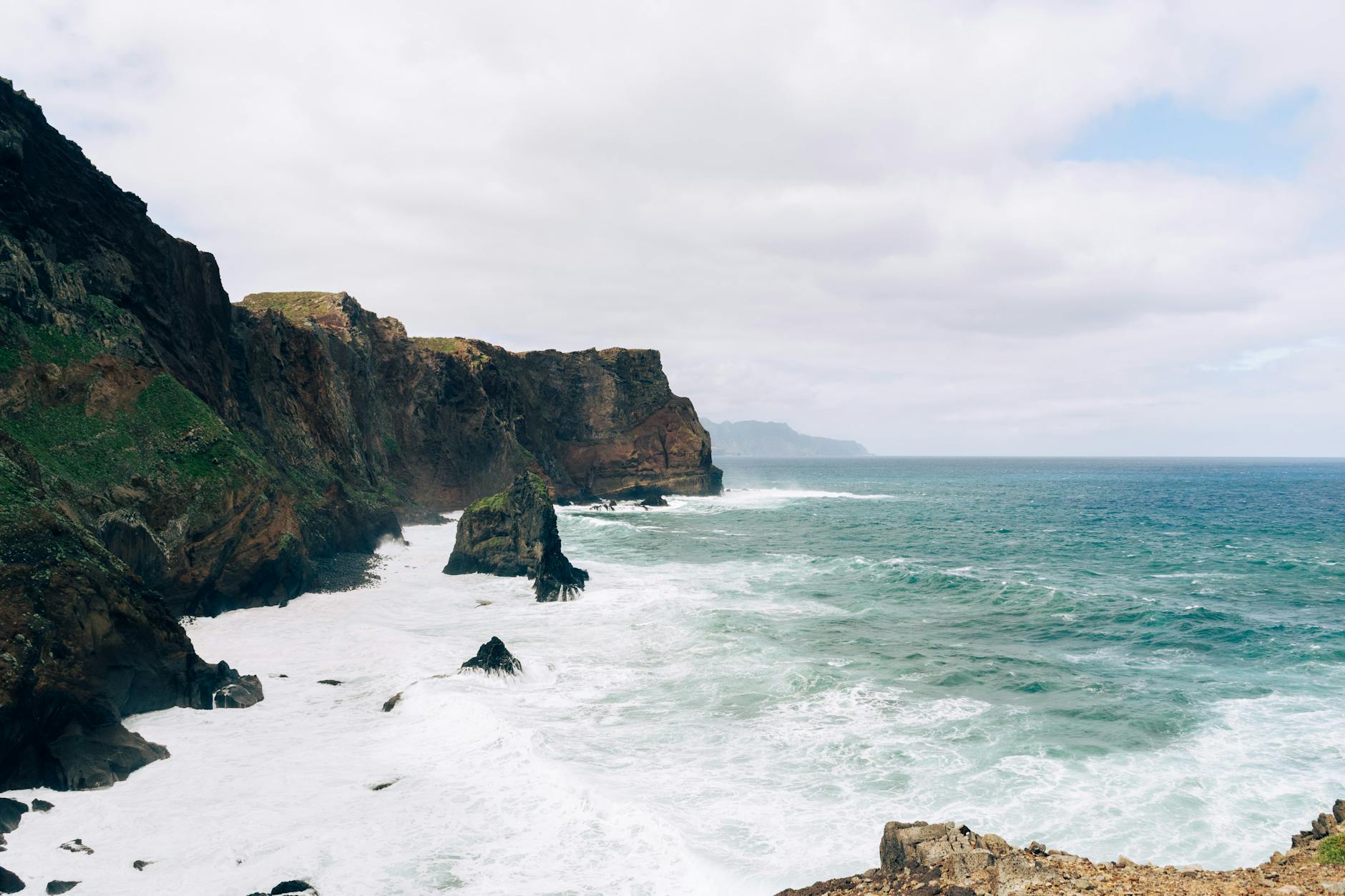
How to Plan the Ultimate Nature Expedition in Australia
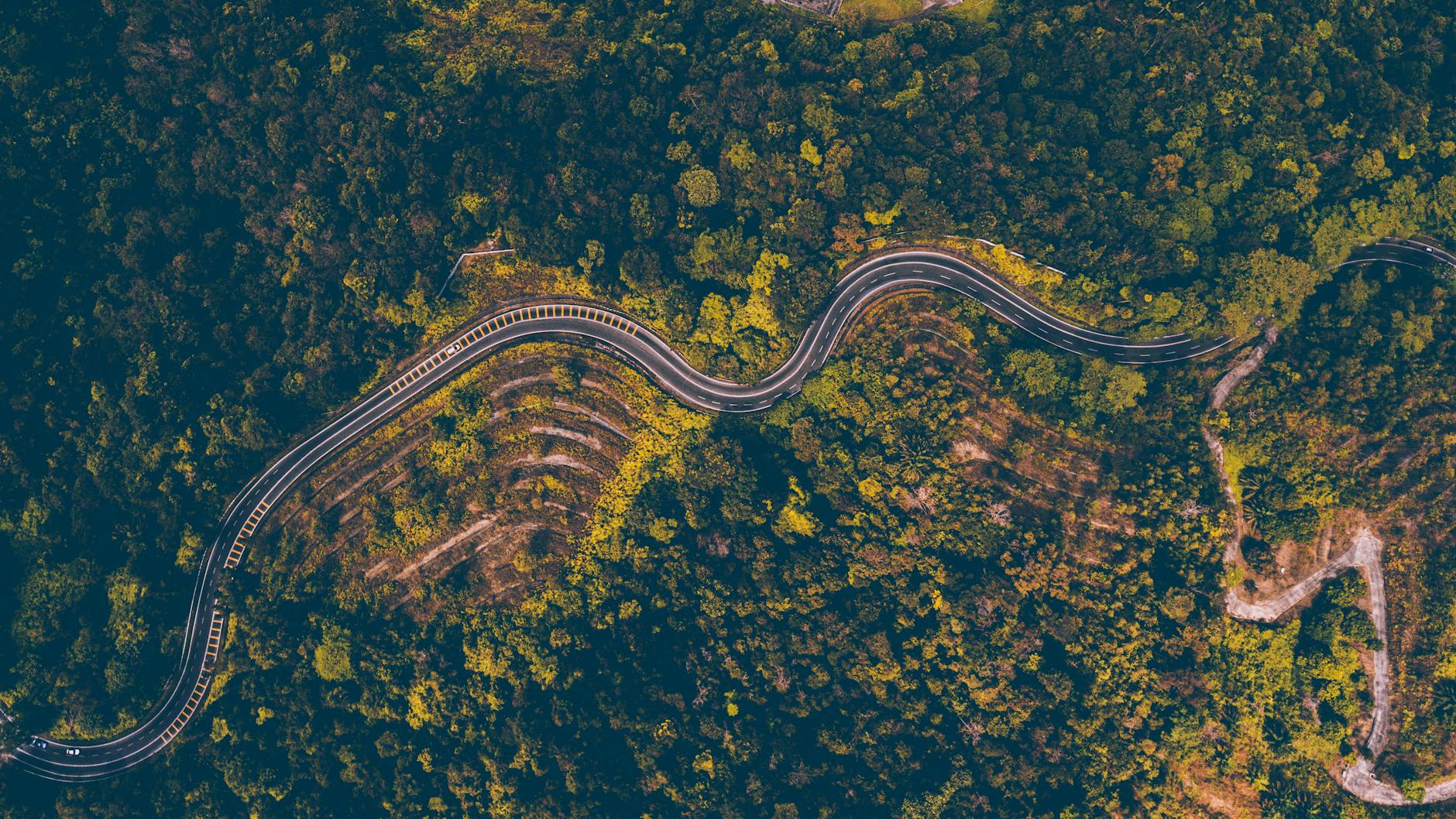
Choose Your Destination
Deciding where to go is like selecting the perfect piece of a jigsaw puzzle—every destination offers unique landscapes and experiences. Reflecting on my time exploring the Royal Botanic Gardens in Melbourne always reminds me of how different landscapes can inspire awe. Tanzania is a treasure trove of such natural wonders, offering incredible opportunities for extensive tours.
Iconic National Parks
Tanzania is home to some of the most famed national parks that should be on any adventurer's list. Serengeti National Park, renowned for its annual wildebeest migration, offers a mesmerizing wildlife spectacle that's akin to strolling through a live wildlife documentary. Meanwhile, Ngorongoro Crater boasts one of the highest densities of wildlife in Africa, making it perfect for safari enthusiasts.
Hidden Gems to Explore
Beyond the well-trodden paths lie Tanzania's hidden gems. Have you ever considered venturing into the less-explored regions like the Mahale Mountains? Here, you can trek through forests to spot wild chimpanzees. Katavi National Park, another under-the-radar destination, offers isolated wilderness and a chance for personalised wildlife encounters.
Ideal Seasons for Travel
Understanding the seasonal rhythm of a place is crucial. The dry season, from June to October, is often touted as the prime time for Tanzania tours, providing clear skies and prime wildlife visibility. Conversely, if you're drawn to the lush, green landscapes and fewer crowds, the wet season from November to May offers its own unique appeal.
Plan Your Itinerary
Creating a well-crafted itinerary is key to a memorable adventure, and it's equally important to discover unique experiences that'll keep your audience engaged. I remember when I led a group tour around the wildlife reserves near Yarra Bend Park—it was a mix of iconic spots and hidden secrets most miss. You'll want to incorporate both for a rewarding travel schedule.
Must-See Attractions
When planning your itinerary, make sure to include the iconic sites that embody the essence of your destination. If you’re considering galapagos islands tours, for instance, don’t miss the opportunity to explore Charles Darwin Research Station, home to extraordinary species. For a local note, think back to how the Royal Botanic Gardens in Melbourne seamlessly blend must-see beauty with educational experiences. That's the vibe you want to hit on your international excursions as well.
Off-the-Grid Adventures
These are the moments where real stories are made. Consider trekking paths that are less traveled—whether it's hiking through private reserves or snorkelling at secluded beaches. When far from your typical trail, the unexpected often happens. It reminds me of a venture through the less-visited trails at Yarra Bend Park, where surprises like rare bird sightings enriched the journey.
Balancing Adventure and Rest
Finding the sweet spot between adventure and downtime is crucial. A packed schedule with no time to pause can exhaust even the most seasoned traveler. Incorporate intervals of rest, similar to eco-friendly tours in the Dandenong Ranges, with their thoughtful mix of exploration and relaxation. These moments allow you to digest experiences and recharge for the next adventure segment.
Arrange Logistics
Transportation Options
When planning an expedition, laying out your transportation options becomes crucial. As a veteran of nature exploration, I've found the travel routes around Brisbane can sometimes rival those of Kenya tours in their complexity and beauty. For an immersive experience, I suggest considering eco-friendly options like biking or even kayaking for short distances if you're near a waterway. The essence of journeying through nature is to align your travel choices with the environment, just as you would when observing plants at the Royal Botanic Gardens in Melbourne.
Accommodation Choices
Your base of operation should fuel your adventures rather than detract from them. Eco-friendly lodgings in the Dandenong Ranges often offer not just a place to sleep, but an extension of your exploring. If you're like me, you appreciate accommodations that provide both comfort and a genuine connection to nature. Look for places with sustainable practices, perhaps those offering workshops or guided tours that introduce you to local flora and fauna.
Gear and Supplies Checklist
Packing the right gear is fundamental, akin to ensuring you've got a journal for capturing stories by the Yarra River. Begin with a durable backpack, weather-appropriate clothing, and essentials like a reliable map and a water purification system. Don't forget your binoculars for bird watching, especially in lush reserves. While the adventure gear may vary depending on your itinerary, this checklist has rarely failed me in establishing a seamless travel experience.
Prioritize Safety and Sustainability
Navigating Wild Environments
Embarking on a namibia safari demands a well-planned approach to navigating the untamed landscapes you’ll encounter. I remember my early explorations in areas surrounding Yarra Bend Park and how challenging yet exhilarating it was to safely traverse such environments. Carry a topographic map and a reliable GPS device to ensure you're on the right track. Understanding local wildlife behaviours is key—never approach an animal and always respect its space.
Emergency Preparedness
When venturing into remote areas, being prepared for emergencies is crucial. Drawing from my personal experiences, I've learned the importance of carrying a comprehensive first aid kit. Ensure you have a satellite phone, especially in zones with poor satellite reception, like some parts of Australia or the vast Namibian desert. Familiarise yourself with basic first aid procedures, which could prove invaluable in a critical situation.
Minimizing Environmental Impact
Sustainability is a cornerstone of responsible exploring. During an eco-friendly tour in the Dandenong Ranges, I realised how important it is to leave no trace. Always bring reusable gear, opt for biodegradable products, and avoid single-use plastics. Embrace the principle of “pack it in, pack it out,” and educate others on the profound impact these small changes can have on preserving the natural world for future generations.
Overcoming Common Challenges in Nature Exploration
Navigational Hurdles
During my expeditions through the diverse landscapes of Australia, I've often had to tackle issues with navigation. When exploring areas like the winding trails of the Royal Botanic Gardens in Melbourne or the vast expanses of the Yarra Bend Park, a reliable compass and topographic map are indispensable. Recall a time when I was leading a group through the dense forests; our GPS devices failed due to limited satellite signals. The trusty old map saved the day, reinforcing that technology can't always be relied upon in the wilderness. Always ensure you've got a tangible backup plan.
Unpredictable Weather
Even with rigorous planning, Mother Nature keeps us on our toes. The wild, unpredictable weather can be daunting, especially when you're in the midst of the Dandenong Ranges. I remember an unplanned downpour that turned our sunny exploration into a slippery adventure. It taught me the necessity of packing versatile clothing layers and waterproof gear. An impromptu shelter arrangement safeguarded us, highlighting the significance of adapting quickly to the environment. A weather app can offer insights, but the skies ultimately have the final say.
Managing Communication Gaps
Remote areas often test our communication capabilities, with mobile signals becoming unreliable. As a seasoned nature enthusiast, I'd recommend investing in a satellite phone or a personal locator beacon. Reflecting on my early expeditions, it was the wildlife reserves around Yarra Bend Park where I found myself isolated, unable to connect digitally. However, being prepared with alternative communication means enabled me to maintain contact and ensure safety. Embracing the challenges of connectivity boosts not just preparation, but also enriches our respect for the untouched wilderness.